

Hammertime is reader-supported. We may earn commission off affiliate links.
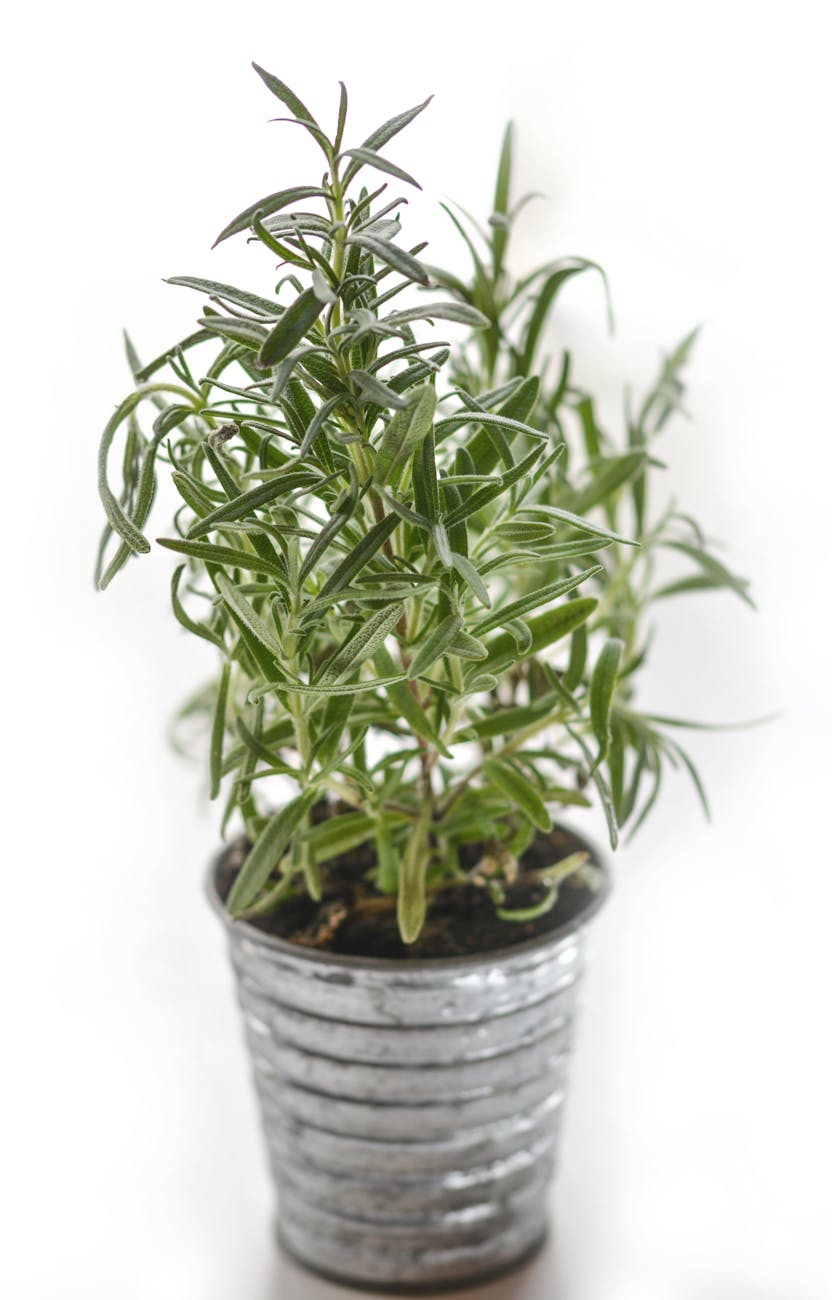
Growing rosemary is relatively simple. Here’s a guide to help you successfully grow this herb:
1. Choose the Right Location:
– Rosemary prefers full sunlight. Select a spot with at least 6-8 hours of direct sunlight per day.
2. Select Well-Draining Soil:
– Ensure the soil is well-draining, as rosemary doesn’t like to sit in waterlogged conditions.
– Sandy or loamy soil with good drainage is ideal.
3. Start with Cuttings or Seedlings:
– While you can grow rosemary from seeds, it’s often easier to start with cuttings or seedlings from a reputable nursery.
4. Planting:
– If planting multiple rosemary plants, space them at least 2 to 3 feet apart.
– Plant in the spring or fall. It will go dormant in the winter/during frost, but will come back.
5. Watering:
– Water deeply but infrequently. Allow the soil to dry out between waterings.
– Once established, rosemary is drought-tolerant.
6. Mulching:
– Apply a layer of organic mulch around the base to retain moisture and control weeds.
7. Fertilizing:
– Rosemary doesn’t require a lot of fertilization. Use a balanced, slow-release fertilizer in spring if necessary.
8. Pruning:
– Prune rosemary regularly to maintain its shape and encourage bushier growth.
– Harvesting the leaves also helps control its size.
9. Overwintering:
– Rosemary is generally hardy, but in colder climates, consider bringing potted rosemary indoors for the winter.
– Mulch around the base of outdoor plants to protect them from extreme cold.
10. Harvesting:
– Harvest rosemary by snipping off sprigs as needed.
– For the best flavor, harvest in the morning when the oils are most concentrated.
By following these steps, you can enjoy fresh rosemary for culinary use and its aromatic presence in your garden.
